Quirk of Record Home

Category

Unbelievable Coincidences

24 articles

Three States, One Bedroom, Zero Answers: The House That Stumped Everyone

Three States, One Bedroom, Zero Answers: The House That Stumped Everyone

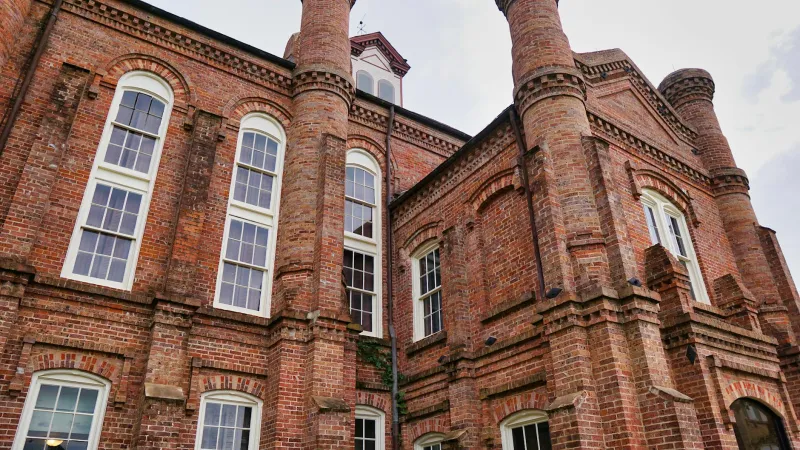
When a family in the tri-state region decided to renovate their home, they had no idea they were about to create a room that three state governments would simultaneously claim — and simultaneously refuse to fully deal with. For nearly two decades, their spare bedroom existed in a legal no-man's-land that baffled attorneys, confused tax collectors, and produced some of the strangest official correspondence in American municipal history.


The Ruined Batch of Medicine That Turned Out to Be the Right Medicine All Along

The Ruined Batch of Medicine That Turned Out to Be the Right Medicine All Along

A pharmaceutical manufacturer wrote off a contaminated production run as a total loss and buried it in their records. Years later, a researcher stumbled onto something strange: the 'ruined' medication had worked better than the real thing — because the contaminant was exactly what the disease needed. The accident didn't just produce a treatment. It exposed a century of medical thinking that had been subtly, persistently wrong.

Home Is Where the Terminal Is: The Man Who Lived Inside an Airport for Nearly Two Decades

Home Is Where the Terminal Is: The Man Who Lived Inside an Airport for Nearly Two Decades

Mehran Karimi Nasseri arrived at Paris's Charles de Gaulle Airport in 1988 with a one-way ticket and nowhere to go. What followed was an eighteen-year residency inside Terminal 1 that no government on earth could figure out how to end. His story is so improbable it inspired a Hollywood film — and the film still didn't capture how strange the reality actually was.

The Town That Existed Twice: How a Spelling Mistake Turned a Small Ohio River Community Into a Phantom Metropolis

The Town That Existed Twice: How a Spelling Mistake Turned a Small Ohio River Community Into a Phantom Metropolis

During the 1890 federal census, a small Ohio river town got logged under two slightly different spellings — and both entries were counted as separate municipalities, briefly making the combined phantom population large enough to influence federal funding decisions and congressional seat calculations. By the time a statistician caught the error, the money was already spent.

The Vaccine That Started in a Trash Can

The Vaccine That Started in a Trash Can

A lab technician's contaminated cultures were hours away from being thrown out when a skeptical researcher decided to take one more look — and accidentally stumbled onto a vaccine that's still protecting people today. The discovery didn't fit the study's goals, the institution didn't want to hear about it, and the researcher had to fight to get anyone to take the results seriously.

The Town That Existed Twice: How One Mapping Error Gave a Midwest Community a Forty-Year Double Life

The Town That Existed Twice: How One Mapping Error Gave a Midwest Community a Forty-Year Double Life

A cartographic mistake made during the 1880 U.S. Census accidentally split one small Midwestern town into two — and for the next four decades, both versions received federal attention, funding, and official recognition. By the time anyone in Washington noticed, the paperwork had grown so dense that erasing one of the towns required a quiet bureaucratic operation that the government preferred not to publicize.

The Weather Prophet Who Saw Tomorrow — Twice

The Weather Prophet Who Saw Tomorrow — Twice

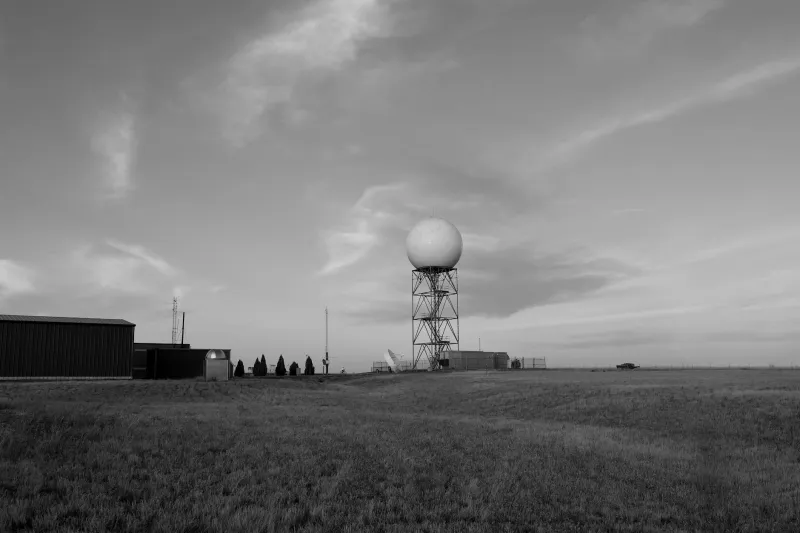
In 1952, meteorologist Harold Brennan made a wildly specific long-range forecast that colleagues dismissed as impossible. Thirty years later, researchers discovered his prediction had matched a major storm event with uncanny precision — down to the exact date and location.

The Human Lightning Rod: How One Virginia Ranger Got Struck Seven Times and Somehow Kept Showing Up for Work

The Human Lightning Rod: How One Virginia Ranger Got Struck Seven Times and Somehow Kept Showing Up for Work

Roy Sullivan was a Shenandoah National Park ranger who survived not one, not two, but seven separate lightning strikes over 35 years — a statistical nightmare so extreme that Guinness had to invent a record category just for him. His story is equal parts astonishing and deeply unsettling, the kind of true account that makes you question everything you thought you knew about probability.